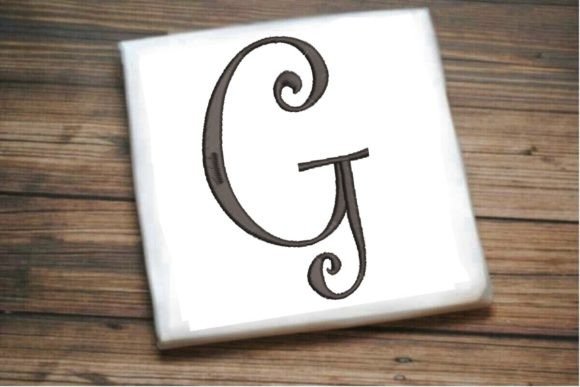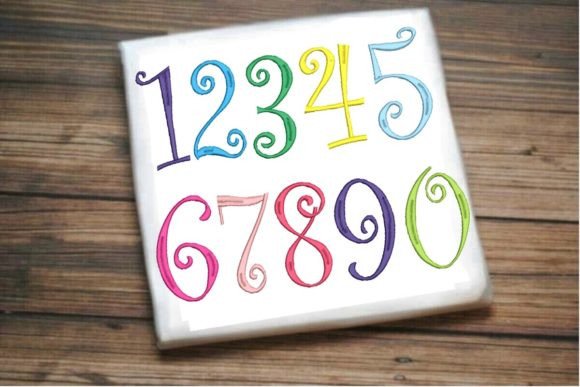
Beautiful Small Numbers Monogram 1 to 0
A Designer’s First Look: Elegant, Compact, and Thoughtfully Detailed
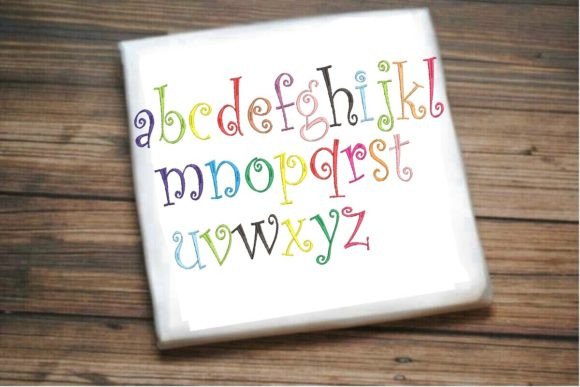
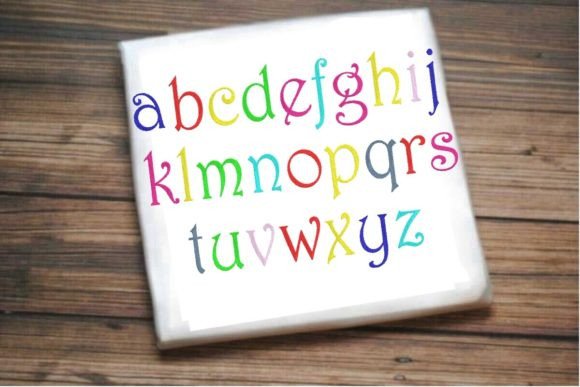
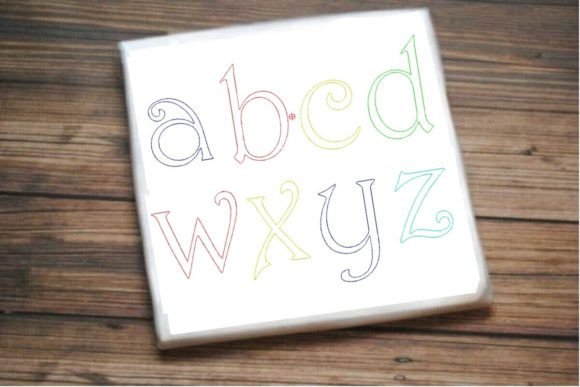
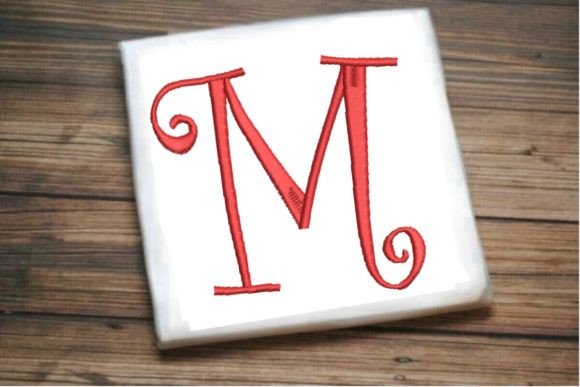
As an embroidery designer who’s stitched over 300 custom orders—from baby blankets for boutique nurseries to limited-run aprons for café owners—I approached Beautiful Small Numbers Monogram 1 to 0 with quiet curiosity. Not hype, not urgency—just the instinct to assess whether it would hold up in real-world production. Visually, it delivers a refined, timeless mood: clean outlines, subtle curves, and delicate internal flourishes that suggest hand-drawn precision rather than digital rigidity. It’s not flashy or oversized—it’s intentionally small, designed to sit quietly beside initials or names without dominating the fabric. That restraint is its strength.
Where This Monogram Naturally Fits in Real Projects
Beautiful Small Numbers Monogram 1 to 0 feels made for context—not isolation. I tested it as part of a coordinated set on a linen kitchen towel (paired with a matching monogrammed initial), stitched onto the curved front panel of a cotton twill cap, and layered beneath a satin-stitched name on a newborn’s organic-cotton onesie. In each case, it added subtle narrative weight: the “2” anchoring a birthday-themed baby blanket, the “0” completing a decade milestone on a custom tote bag for a small business owner. Its scale works best when supporting a larger story—like a birth year on nursery decor, a founding date on an artisanal coffee shop apron, or a graduation year on a personalized pillow cover. It doesn’t shout; it confirms.
Performance Across Fabric Types and Use Cases
Stitching Beautiful Small Numbers Monogram 1 to 0 on lightweight cotton poplin was effortless—clean satin stitch edges, no thread nesting. On midweight terry cloth kitchen towels? Slightly more attention needed: I used a medium-weight cutaway stabilizer and slowed my machine speed to preserve fine interior details. For stretchy fabrics like jersey sweatshirts, I added a light tear-away + topping combo—critical for keeping those intricate inner loops crisp and legible. On dark fabrics, I confirmed contrast early: standard 40-weight rayon held up well, but switching to matte polyester thread gave sharper definition in shadowed areas. Curved surfaces—especially caps—required re-hooping for the “6” and “9”, whose rounded bases need precise tension alignment.
What Holds Up—and What Needs Testing
- Tiny lettering clarity: All numbers remain readable down to a 2.5" hoop—no blurring or stitching bleed, even at 1.8" height.
- Dense stitch areas: The inner swirls of “8” and “0” are tightly digitized but not over-stuffed—no puckering on stable weaves when stabilizer is matched correctly.
- Frequent washing: After three cold-machine washes and air-drying, stitches retained shape and sheen on cotton blends—no fraying or loosening of running-stitch accents.
- Layered applications: Works cleanly under appliqué elements or as a base layer beneath fill-stitch names—no skipped stitches or thread jams observed.
Impact on Your Handmade Product & Customer Perception
For Etsy sellers and craft fair vendors, Beautiful Small Numbers Monogram 1 to 0 quietly elevates perceived value. A plain canvas tote becomes a keepsake when paired with a birth year in this monogram—customers photograph it, tag friends, and describe it as “thoughtful” in reviews. For apparel decorators, it adds brand consistency: imagine using the same “7” across employee caps, embroidered patches, and seasonal gift sets. Its elegance translates directly into product photography—soft shadows highlight the dimensional satin stitch, and the compact size ensures clean composition without cropping stress. Most importantly, it signals care. Buyers notice when tiny details are resolved—not just present, but intentional.
Practical Notes Before You Stitch
This isn’t a “load-and-go” file—even though it’s listed among Creative Fabrica’s Freebies. As with any embroidery file, take these steps before committing to a customer order:
- Test on scrap fabric that matches your final project’s weight, weave, and stretch.
- Check thread color contrast on both light and dark mockups—small details vanish if values are too close.
- Review stitch density visually in your editing software—look for overlapping fill areas that may cause bulk on thin fabrics.
- Confirm hoop size compatibility: while compact, verify your machine handles the smallest number comfortably within your standard hoop.
- Use appropriate stabilizer: cutaway for knits, tear-away for stable wovens, and always a light topping for textured surfaces like terry or bouclé.
- Inspect small details post-stitch: especially the inner curves of “3”, “5”, and “8”—they’re delicate but resolvable with proper tension.
- Verify licensing on the Creative Fabrica product page before selling finished items—this is an embroidery design intended for physical use, not resale of the digital file itself.
Final Thoughts for Designers and Makers
Beautiful Small Numbers Monogram 1 to 0 won’t replace bold statement fonts or large-scale appliqué designs—but it fills a quiet, essential niche. It’s the kind of machine embroidery design you reach for when authenticity matters more than volume: a handmade gift where the year feels personal, not generic; a boutique product where craftsmanship whispers instead of shouts; a commercial embroidery job where consistency across dozens of units still feels human-scaled. It respects the fabric it lives on, the machine that stitches it, and the hands that wear or display it. If your workflow includes personalized gifts, custom apparel, embroidered patches, or any product where meaning lives in the margins—this monogram earns its place in your design assets. Just remember: download it, test it thoughtfully, and let its quiet elegance do the talking.