Beautiful Small Letter Plain a to Z
A Designer’s First Stitch: Warm, Timeless, and Thoughtfully Minimal
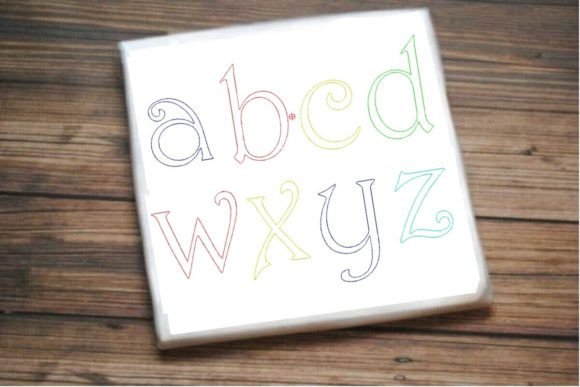
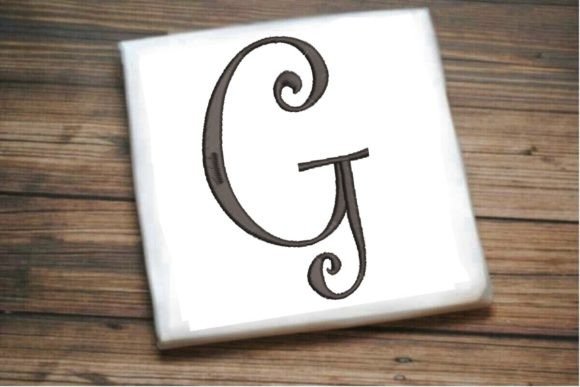
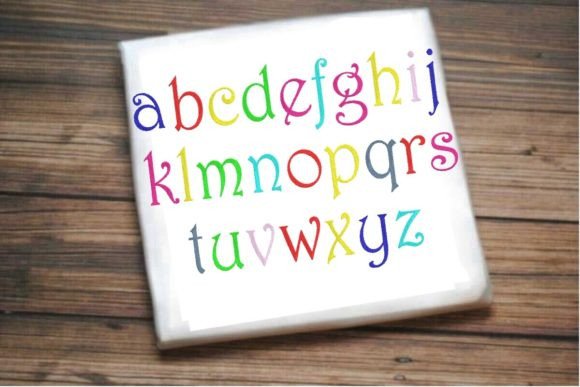
As an embroidery designer who’s stitched over 1,200 custom orders—from newborn onesies to heirloom wedding handkerchiefs—I opened Beautiful Small Letter Plain a to Z with quiet anticipation. What greeted me wasn’t flashy or fussy, but deeply intentional: clean, petite lowercase letters, each drawn with gentle curves and balanced spacing. It feels handmade without looking rustic, elegant without being stiff, and quietly romantic—like inked stationery or a child’s first name stitched onto a linen baby blanket. There’s no shadowing, no fill-heavy flourishes, no overlapping elements. Just pure, confident letterforms. That simplicity is its strength—and its superpower for personalized gift products.
Where This Design Truly Shines: Real-Life Gift Scenarios
Beautiful Small Letter Plain a to Z isn’t just another alphabet—it’s a versatile storytelling tool for makers who value emotional resonance over trend-chasing. Here’s where it lands beautifully:
- Baby embroidery: Perfect for monogramming organic cotton swaddles, muslin burp cloths, or knit nursery blankets—its soft scale avoids overwhelming delicate fabrics or tiny garments.
- Wedding gift: Embroider initials on ivory linen napkins, silk ribbon bookmarks, or minimalist pillow covers for the couple’s first home. Its understated charm aligns with modern, intimate weddings.
- Family keepsakes: Stitch full names across the hem of a quilt square or along the cuff of a hand-knit sweater—each letter breathes space, making longer names legible and graceful.
- Embroidered towel & kitchen essentials: Works exceptionally well on waffle-weave towels and tea towels—clean lines hold up against texture without disappearing into the weave.
- Pillow cover & tote bag personalization: Ideal for center-front placement on linen or canvas. The design’s light stitch density prevents stiffness, keeping items drape-friendly and tactile.
- Etsy seller & small shop product: As a Freebies offering in the Embroidery category, it’s a low-risk, high-trust entry point—ideal for bundling with paid designs or as a lead magnet for email signups.
Where to Use It With Care—Not Caution, But Consideration
This design invites intimacy, not intensity. That means thoughtful application matters more than ever:
- Small lettering + stretchy fabric: Avoid using full names on ribbed baby bodysuits or jersey tees without testing tension and stabilizer—delicate curves can distort if fabric shifts mid-stitch.
- Textured or thick fabric: On heavy terry cloth or dense denim, preview your machine embroidery design at 110% scale and confirm legibility—tiny serifs may blur.
- Curved surfaces (caps, mugs with wraps): While designed for flat hooping, consider simplifying or re-spacing letters manually for curved embroidery zones.
- Dark fabric + light thread: The slender strokes demand strong contrast. Always test thread colors on scrap—what reads clearly on white linen may vanish on charcoal twill.
- Frequent-wash items: Though elegant, its fine lines benefit from a lightweight cutaway stabilizer and tightly twisted polyester thread for long-term durability on embroidered towels or aprons.
Why Customers Choose—and Keep Coming Back To—This Kind of Personalization
When you use Beautiful Small Letter Plain a to Z in a finished product, something subtle but powerful happens: the gift feels *chosen*, not assembled. Buyers don’t just see “a monogram”—they feel the care behind selecting a design that honors the recipient’s individuality without shouting. That translates directly to perceived value: a $28 linen pillow cover becomes a $48 meaningful keepsake. For Etsy sellers and handmade brands, that emotional connection builds trust faster than any policy page. It also elevates product photography—the clean lines photograph crisply, even on mobile screens, and pair effortlessly with natural light, neutral backdrops, and lifestyle staging (think: monogrammed towel draped over a farmhouse sink or initials peeking from a folded baby blanket).
Practical Embroidery Notes Every Maker Should Run Before the First Customer Order
I tested Beautiful Small Letter Plain a to Z across five fabric types—and here’s what held true every time:
- Always stitch a test on scrap fabric—especially when pairing with new thread colors or stabilizers. Watch how the curves hold on both light and dark grounds.
- Confirm hoop size compatibility. Though compact, verify your machine’s minimum hoop clearance—some petite fonts require 4x4” or smaller frames.
- Review stitch density before scaling. Enlarging beyond 130% may thin out delicate joins; shrinking below 85% risks skipped stitches or lost definition.
- Match stabilizer to end use: Tear-away for stable linens, cutaway for knits or high-wash items, and lightweight mesh for sheer fabrics like voile or chambray.
- Compare light/dark fabric mockups side-by-side. A printable mockup helps clients visualize placement and contrast before production begins.
- Inspect small details post-stitch. Check serif integrity, corner sharpness, and thread tension—especially after trimming and washing your test sample.
- Verify commercial licensing terms before selling finished products. Since this is listed under Freebies, confirm whether resale of physical goods is permitted—many free digital embroidery files allow it, but always double-check.
The Quiet Confidence of a Well-Chosen Alphabet
Beautiful Small Letter Plain a to Z doesn’t chase attention—it earns it. In a market saturated with ornate scripts and oversized novelty fonts, its restraint is revolutionary. It supports the person, not the pattern. Whether you’re stitching a single initial on a wedding guest book sleeve or building a full-name set for a boutique baby line, this design gives your handmade product quiet authority and heartfelt warmth. It reminds us that sometimes, the most meaningful personalization isn’t loud—it’s tender, precise, and utterly human.