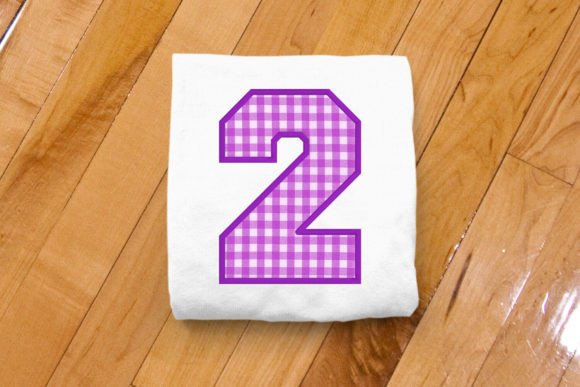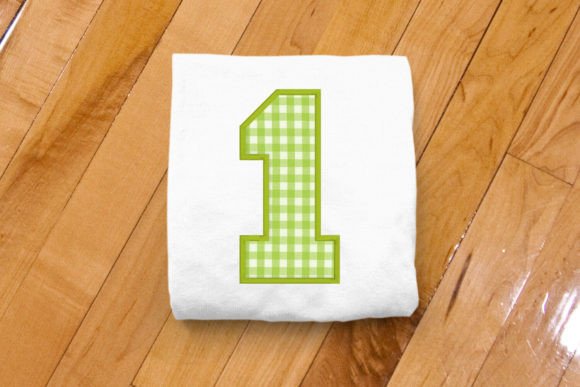
Varsity Number 1 Applique Embroidery
A Bold, Collegiate Statement for Small Business Branding
As an embroidery designer who’s developed hundreds of commercial designs for boutiques, cafés, studios, and Etsy sellers, my first impression of Varsity Number 1 Applique Embroidery is immediate: it’s confident without being aggressive, classic without feeling dated, and athletic without limiting its appeal. The “varsity” aesthetic—clean lines, strong outlines, and balanced letterform weight—translates seamlessly beyond school spirit into small business merch. It doesn’t scream “college team”; instead, it whispers “first in quality,” “#1 local,” or “proudly handmade since day one.” That subtle versatility makes it unusually effective for branding a bakery (“#1 Sourdough Since 2018”), a pet studio (“Top-Tier Care—Number One”), or even a florist (“Bloom First, Every Time”). Its collegiate-style lettering reads as friendly authority—not corporate stiffness, not crafty whimsy—but grounded professionalism with heart.
Where Varsity Number 1 Applique Embroidery Shines in Real Business Use
This machine embroidery design excels where clarity, recognition, and durability matter most. As an embroidered patch sewn onto aprons or tote bags, it holds visual weight without overwhelming the item—it’s large enough to read at arm’s length but compact enough to sit neatly on a chest pocket or sleeve cuff. For staff uniforms—especially in food service, retail, or creative studios—the number 1 becomes an instant identifier: a quiet badge of pride that reinforces team cohesion and customer trust. Cap embroidery? Yes—when placed front-and-center on structured cotton twill or performance mesh, it reads cleanly and anchors the look. On tote bag design, it works beautifully as a minimalist accent near the handle seam or centered low on the front panel. And for boutique merchandise—think branded gift tags, reusable produce bags, or linen tea towels—it adds tactile distinction without competing with hand-lettered labels or custom prints.
For Etsy sellers and handmade brands, Varsity Number 1 Applique Embroidery functions as a scalable brand asset. Pair it with your logo on a printable mockup to show clients how it elevates apron embroidery or cap embroidery before stitching begins. Use it consistently across product packaging accents—like stitched-on fabric labels for soap boxes or candle sleeves—to reinforce handmade product integrity. In event merch (farmer’s markets, craft fairs, pop-ups), it gives small batch items instant visual hierarchy and perceived value. Even in digital contexts, its strong silhouette renders well in social media thumbnails and email banners—making it more than just an embroidery file; it’s part of your broader design assets toolkit.
Smart Placement & Practical Limits for Commercial Embroidery
Like any strong design, Varsity Number 1 Applique Embroidery performs best when matched to the right context. Avoid using it below 2.5 inches tall on curved surfaces like cap fronts—unless you’ve confirmed the embroidery file handles distortion well. On textured fabric (burlap, heavy canvas, or looped terry), test stitch density first: dense fills may flatten texture or cause puckering. Dark uniforms demand high-contrast thread colors—navy with bright white or metallic silver threads ensures legibility after repeated washing. And while the design reads boldly at standard patch sizes (3–4 inches), shrinking it below 1.75 inches risks losing definition in the inner counters of the “1”—so always verify small patch size viability with a physical test run, not just screen preview.
How This Design Strengthens Brand Identity—and Why That Matters
In small business merch, consistency isn’t just about matching colors—it’s about emotional resonance. Varsity Number 1 Applique Embroidery supports brand identity by projecting competence, approachability, and authenticity all at once. Customers don’t just see a number—they register confidence, tradition, and care. That perception lifts perceived product value: a $28 linen apron with this embroidered patch feels more intentional, more invested-in, than one with generic text. It also boosts visual consistency across touchpoints: same design on staff caps, tote bags, and packaging creates subconscious reinforcement—making your brand instantly recognizable even without a logo present. For handmade product buyers, that subtle signal says, “We stand behind our work. We’re proud to be #1 at what we do.” That builds buyer engagement and long-term loyalty far more effectively than decorative flair alone.
Essential Embroidery Designer Notes Before Production
- Always test in black and white first—to assess contrast, spacing, and legibility without color distraction.
- Confirm it works at your target patch size—especially if using for cap embroidery or sleeve details under 2 inches.
- Review thread color contrast carefully—light thread on dark fabric needs higher density; dark thread on light may require underlay adjustment.
- Inspect spacing between elements—applique edges must clear adjacent seams, pockets, or hems by at least ⅛ inch.
- Verify hoop size compatibility—ensure your embroidery machine can accommodate the largest version you plan to run.
- Test on real fabric with proper stabilizer—especially for stretchy knits, lightweight linens, or coated canvas.
- Create a physical mockup for client approval—digital previews lie; stitched samples build trust and prevent costly rework.
- Compare it beside your other design assets—does it complement your logo, typography, and color palette—or compete with them?
- Confirm commercial licensing before business use—this is non-negotiable for small business merch, Etsy branding, or custom apparel resale.
Remember: Varsity Number 1 Applique Embroidery isn’t just a School or Embroidery category placeholder—it’s a strategic tool. When used intentionally, it turns everyday items into brand ambassadors. Whether you're launching a new line of artisan goods or refreshing staff uniforms for your local studio, this machine embroidery design delivers professional polish with personality. Just treat it like the business asset it is—not just another embroidery file.