Script Numbers Zero: A Craft Fair Designer’s Honest Review
When I first downloaded the Script Numbers Zero embroidery design, I was in the middle of planning my booth layout for a busy weekend craft fair. I’m always on the hunt for machine embroidery designs that feel fresh, versatile, and easy to turn into finished products customers can’t resist. This single script number zero caught my attention because it’s one of those deceptively simple digit designs that can anchor an entire product line or become the quiet detail that makes a handmade item feel premium. Before I stitch it out for sale, I always run through a mental checklist: will this hold up on a heavy tote bag? Will it photograph well for my Etsy listings? Does it give me enough flexibility to create a cohesive collection? Here’s my full, on-the-ground breakdown of Script Numbers Zero from the perspective of someone who makes a living selling handmade embroidery at markets and online.
First Impressions: The Look and Feel of Script Numbers Zero
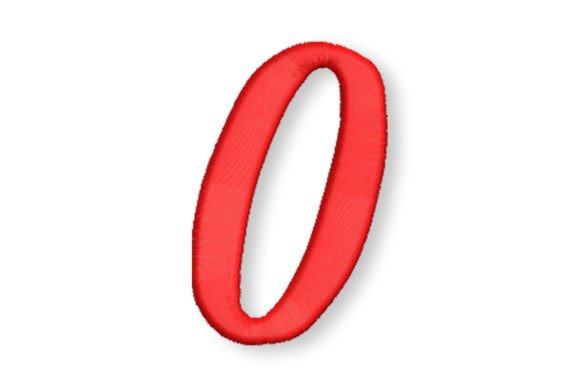
Right out of the gate, the name Script Numbers Zero tells me I’m working with a flowing, cursive-style digit. Even without seeing the full font set, a script zero often carries a soft, elegant, almost decorative energy. Depending on the exact stroke weight and flourishes, it could lean modern minimalist, gently farmhouse, or even playful. Because the product category is listed as School, I suspect this zero might have a slightly preppy, academic charm—perfect for graduation year merchandise, locker-inspired patches, or customized teacher gifts. But honestly, a well-designed script zero transcends any single theme. It’s a round, balanced shape that catches the eye almost like a monogram, and that kind of visual symmetry is a huge asset in a craft fair booth where customers scan dozens of handmade products in seconds.
I imagine the stitch style will define the final mood. If the script features thick downstrokes and delicate hairlines, I’ll need to be mindful of thread contrast and fabric texture. A bold, all-caps modern script zero would give off a completely different vibe—strong, statement-making, and ideal for oversized tote bags. My first move is always to open the embroidery file and preview the stitch order, but even before that, the concept of a single script zero already sparks ideas for product pairings and booth displays.
Where Script Numbers Zero Shines in a Craft Fair Booth
I’ve tested enough machine embroidery designs to know that not every stitch file translates well to every blank. Script Numbers Zero has a huge advantage: its simple, recognizable shape makes it instantly readable from a distance, which is critical for attracting foot traffic. Here’s how I picture it performing on the products I typically bring to a handmade market.
Tote bags and market bags: A large-scale script zero on the front of a canvas tote becomes a bold, fashion-forward statement. Think of it as a playful number motif—customers might buy it for a lucky number, a jersey digit, or a graduation year. On a cream or natural canvas, a dark thread creates high contrast that photographs beautifully for online listings. I’d also consider a tonal, tone-on-tone look for a more subtle, premium feel.
Aprons and kitchen towels: A single script zero on a linen apron or tea towel can be surprisingly charming. It might represent a family recipe number, a favorite amount, or just a minimalist decorative accent. For tea towels, I’d recommend a slightly smaller version of the design to keep the stitch density manageable on textured fabrics like waffle weave. The zero’s curved lines need crisp, clean edges, so a smooth, tightly woven towel blank works best.
Embroidered patches and small pouches: This is where Script Numbers Zero can become a high-volume, low-cost product. A small patch with a single digit is a quick stitch, and I can batch produce them in multiple thread colors. Customers love customizing their jackets, backpacks, or hats. A script zero can feel sporty, elegant, or even sassy depending on the color and fabric. Zipper pouches for school supplies or makeup bags also benefit from a small, centered script zero—it’s just enough detail to elevate the piece without overwhelming the design.
Caps and curved surfaces: Stitching a script zero on a baseball cap or dad hat requires careful placement. The curved surface can sometimes distort the smooth oval of a zero, so I’d test the design on a scrap cap first and use a topper or wet-n-stitch stabilizer to prevent the stitches from sinking into the thick fabric. If the zero has any delicate flourishes, they might snag or lose clarity on unstructured caps, so I’d lean toward a simpler, chunkier script version for headwear.
Pillow covers and home decor: A single script zero on a throw pillow cover can feel like a modern typographic accent. Paired with a neutral base and a metallic thread, it becomes a chic, boutique-style home item. I’d test the stitch density on a heavier home decor fabric to ensure the zero doesn’t pucker or pull the weave.
Practical Production Notes: Stitching Out Script Numbers Zero
Before I commit any design to a full production run, I run a series of practical checks. With Script Numbers Zero, the first thing I’ll do is stitch a sample on a scrap of mid-weight cotton with a medium cutaway stabilizer. I want to see how the stitch density handles the tight curves of the numeral. A script font often has varying stroke widths, so thin areas might benefit from a slightly denser underlay or a topper on fluffy fabrics. I’ll also test the design on dark fabric—a black canvas tote, for example—because thin script lines can disappear or look muddy if the thread contrast isn’t strong enough. Light-colored thread on dark fabric usually works, but I’ll do a side-by-side thread color comparison.
Hoop size is another critical factor. Although the description doesn’t specify exact dimensions, I’ll load the embroidery file into my software to confirm the measurements. A single number zero could be as small as 1.5 inches for a patch or as large as 5 inches for a tote bag focal point. If the design includes very tiny details, like a delicate tail or a thin loop, I’ll carefully check the minimum recommended size. Anything below 1.5 inches runs the risk of thread breaks or lost detail, especially on textured towels or uneven surfaces. I always advise fellow crafters to test the design at the actual size they intend to sell, not just the default file size.
Stabilizer choice is non-negotiable. For tea towels and aprons, I use a no-show mesh cutaway and float a piece of tear-away underneath for extra support. For a structured cap, a heavy-duty cap hoop and a topper keep the stitches from sinking. Script Numbers Zero will look its best when the fabric is stable and the grain is straight. If the design has any dense stitch areas—like a thick downstroke—I’ll slow my machine speed slightly to prevent puckering. I also recommend creating at least one real mockup, not just a digital mockup, to see how the thread interacts with the actual fabric texture and lighting.
Selling and Displaying Products with Script Numbers Zero
In a crowded craft fair booth, visual clarity is everything. Script Numbers Zero has the advantage of being a universally recognized symbol, so customers don’t need to read text or guess at a message. A single digit can be mysterious, personal, or purely decorative. I’ve noticed that shoppers often pause to pick up items that feature a single, bold number—they ask, “What does the zero mean?” That opens a conversation. I might tell them it’s for a graduation year, a sports jersey, a lucky number, or just a minimalist design choice. That kind of engagement is gold for handmade sellers.
For my Etsy shop, I’ll photograph the finished products against clean, bright backgrounds. A script zero stitched in a contrasting thread color on a tote bag pops beautifully in a thumbnail image. I’ll include close-ups of the stitch texture so buyers can see the quality. If I’m using Script Numbers Zero as part of a larger customizable collection—like a full set of script numbers for dates or monograms—I’ll create a cohesive listing that shows the zero alongside other digits, but I’ll also sell it as a standalone design file to other digital embroidery sellers who want to offer it to their customers. The fact that the product description mentions multiple embroidery file formats gives me confidence that I can use it across my machines without conversion headaches.
Batch production is straightforward with a single-digit design. I can hoop multiple blanks at once, stitch the same zero in different thread colors, and build a small inventory of patches, pouches, or mini wall art pieces in a single afternoon. The repeatability is high, and the design is simple enough that I can train a helper to run the machine while I handle customers. That’s a huge plus during a busy market season.
Final Thoughts: Is Script Numbers Zero Worth the Booth Space?
After testing and mentally slotting Script Numbers Zero into my product lineup, I’d say it’s a solid, versatile addition to any embroidery designer’s library. It won’t be the screaming, colorful centerpiece of a booth, but it will be the quiet, elegant workhorse that sells consistently across multiple product categories. The key is to match the design’s scale and stitch density to the right blank. A script zero on a well-constructed tote bag, paired with a high-quality stabilizer and thread, looks like a $35 boutique item, not a $10 budget buy. On a small patch, it becomes a $5 impulse grab that customers toss into their basket without a second thought.
Before you commit to a full production run, I strongly recommend checking the exact hoop size, stitch count, and file formats included in the download. Since the product description doesn’t list those specs, I’d open the files in my embroidery software, run a test stitch, and confirm that the stitch density is appropriate for your thread and machine. Also, verify the commercial licensing terms if you plan to sell finished products or the digital embroidery file itself. Many craft fair sellers overlook this step, and it’s critical for staying above board.
For school-themed products, Script Numbers Zero fits right in with graduation caps, classroom decor, and personalized teacher gifts. But don’t limit yourself—this script zero can easily cross over into home decor, personalized accessories, and even baby items if you use a soft, pastel thread. It’s a design that rewards creativity and thoughtful presentation. In my experience, the best craft fair sellers are the ones who take a simple, well-made design and showcase it in a way that feels fresh and intentional. Script Numbers Zero gives you exactly that opportunity.