Oak Leaf Embroidery Design Review
First Impression: Rustic Elegance with Timeless Appeal
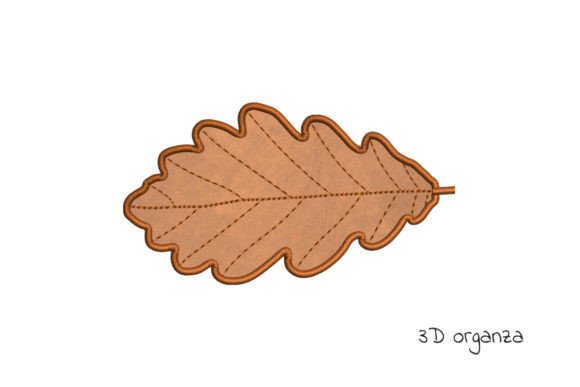
As an embroidery designer who’s developed hundreds of commercial designs for small businesses, my first read on Oak Leaf is immediate and intuitive: it reads as classic, grounded, and quietly confident. The title alone evokes natural strength and seasonal warmth—especially that nod to fall’s rich tones and textured beauty. Though the description is brief, it signals something important for branding: Oak Leaf isn’t just decorative; it carries symbolic weight—resilience, heritage, growth. That makes it ideal for businesses rooted in authenticity: local cafés, botanical boutiques, artisan bakeries, pet wellness brands, florists, and creative studios. It feels handmade without being overly whimsical, elegant without stiffness, and rustic without sacrificing polish.
Real-World Business Performance Across Merchandise Types
In practice, Oak Leaf shines where subtlety meets recognition—exactly what small business merch needs. As an embroidered patch, it holds up beautifully on denim jackets, tote bags, and staff aprons. Its organic shape lends itself well to contouring around seams or pockets, and its balanced silhouette avoids visual clutter on uniforms or caps. For cap embroidery, it works best centered on the front panel or subtly on the side—its clean outer edge and moderate detail translate reliably at 2.5"–3.5" width, especially when digitized with thoughtful underlay and reduced stitch density in inner veins.
On apron embroidery, Oak Leaf adds instant character without overwhelming function—it reads clearly at 3"–4" high near the pocket or chest, reinforcing brand identity every time a barista ties on their apron or a florist reaches for shears. As a tote bag design, it scales elegantly across canvas or cotton duck, offering tactile distinction from printed logos while communicating care and craft. And for custom apparel like work shirts or boutique tees, it serves as a refined chest accent—professional enough for client-facing roles, warm enough to reflect a handmade product ethos.
For schools or educational studios (fitting its School category), Oak Leaf offers subtle institutional gravitas—ideal for faculty lanyards, library volunteer vests, or student club patches. It avoids cliché while still feeling meaningful, making it versatile across age groups and settings.
Where to Use Oak Leaf Thoughtfully
Like any strong design, Oak Leaf has boundaries—and respecting them ensures your finished product looks intentional, not compromised. Avoid shrinking it below 1.75" for patches or cap fronts: fine midrib details and leaf contours may blur or “fill in” during stitching, especially on textured fabric like twill or fleece. On highly curved surfaces—think baseball cap crowns or tapered tote handles—test placement early. A slightly simplified version (with softened interior lines and open negative space) often performs better than a dense, high-detail iteration.
Dark uniforms demand careful thread color planning. While olive, burnt sienna, or charcoal gray enhance its natural tone, ensure sufficient contrast—especially if used alongside embroidered text. Also, avoid pairing Oak Leaf with ultra-thin fonts or tiny lettering nearby; its organic weight commands visual space. And because it’s an Embroidery design—not vector art—always confirm its hoop size and recommended stabilizer level before production. Lightweight fabrics need cutaway backing; knits require tear-away plus topping to prevent puckering.
Brand Identity & Customer Perception
Oak Leaf strengthens brand identity by anchoring it in nature-based values: reliability, patience, rootedness. Customers subconsciously associate oak with endurance—ideal for businesses building long-term relationships, whether it’s a neighborhood bakery, a pet nutrition brand, or a ceramic studio selling heirloom-quality mugs. Unlike trendy icons, it avoids dating quickly. Used consistently across small business merch, it builds recognition without shouting—think embroidered tags on gift boxes, subtle sleeve accents on staff polos, or woven labels inside handmade scarves.
It also elevates perceived value. A well-executed Oak Leaf patch on a linen apron signals craftsmanship far more effectively than a generic logo. That translates directly to buyer engagement: Etsy shoppers pause longer on items with intentional, nature-infused embroidery; café patrons remember the barista whose apron bears that quiet, confident leaf. In short, Oak Leaf doesn’t just decorate—it communicates trust through texture, tradition, and tact.
Practical Designer Notes for Commercial Use
Before launching into production, run these checks:
- Test in black and white first—verify legibility and balance without color distraction.
- Check small patch viability: Resize to 1.75" and inspect how veins, edges, and spacing hold up.
- Review thread color contrast against your base fabric—especially on dark or heathered textiles.
- Inspect spacing and density: Ensure no areas are over-stitched or prone to gapping after washing.
- Confirm hoop size compatibility with your embroidery machine and intended application (e.g., cap frames vs. flat hoops).
- Test on real fabric—not just mockups—with the exact stabilizer and thread you’ll use commercially.
- Create a printable mockup for client approval, showing Oak Leaf on actual garment types (tote, cap, apron).
- Compare beside other design assets: Does it harmonize with your wordmark, icon system, or packaging palette?
- Verify commercial licensing before using on resale items—this is non-negotiable for digital embroidery file buyers, Etsy sellers, and apparel decorators.
Remember: Oak Leaf isn’t just a machine embroidery design—it’s a storytelling tool. When stitched with intention, it transforms everyday items into touchpoints of meaning. For small businesses building something real, that’s not decoration. It’s distinction.