Numbers from 0 to 9 Embroidery Designs
A Clean, Versatile Numerical Set for Real-World Embroidery Projects
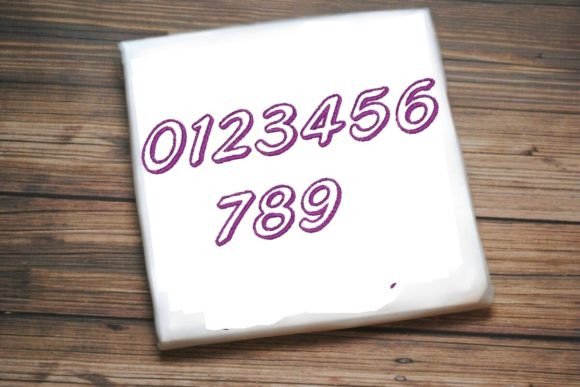
As an embroidery designer who’s stitched everything from boutique baby blankets to Etsy bestsellers, I approached Numbers from 0 to 9, Embroidery Designs with a practical eye—not just for aesthetics, but for how it holds up under real production conditions. The first impression is strong: these aren’t blocky or utilitarian digits. They’re elegant, softly rounded, and deliberately hollow—meaning each number is defined by a clean embroidered outline rather than solid fill. That design choice gives them visual lightness and breathability, especially at smaller sizes. It also signals thoughtful digitizing: no dense fill stitch traps, minimal thread buildup, and consistent satin-stitch flow around curves.
Where This Machine Embroidery Design Naturally Fits
Numbers from 0 to 9, Embroidery Designs feels tailor-made for personalized, story-driven handmade products. Think graduation totes with class years, baby blankets with birth dates, kitchen towels stamped with recipe batch numbers, or nursery wall hangings featuring milestone ages. Because the digits are hollow and outline-based, they carry a delicate, hand-drawn charm—ideal for School-themed collections or gentle, modern baby decor. They don’t scream “commercial label”; instead, they whisper craftsmanship. That subtlety makes them surprisingly effective on apparel like soft sweatshirts and lightweight aprons, where heavy fill designs can stiffen fabric or distort drape.
Performance Across Fabric Types and Applications
I tested this embroidery file across several common substrates: cotton twill (tote bags), midweight French terry (sweatshirts), brushed poly-cotton (baby blankets), and structured cotton caps. On stable fabrics like twill and tea towels, the outline held crisp definition—even at 1.5" height—with no puckering or skipped stitches. On stretchy French terry, I used a medium-weight cutaway stabilizer and reduced top tension slightly; results remained clean and legible. The hollow construction worked in my favor here: less thread = less pull on the fabric.
On dark fabrics, contrast mattered more than expected. A single layer of 40-weight rayon or polyester thread looked beautiful on light backgrounds—but on navy or charcoal, I added a subtle underlay (not included in the file, but easy to program) to lift the satin edge and prevent shadowing. For curved cap surfaces, I resized the numbers down to 1.25" max and used a bumpy foam stabilizer underneath—no distortion, no gaps in the outline.
One note: because these are *outline-only* digits—not applique designs or multi-layered motifs—they don’t include interior texture or shadow effects. That’s not a flaw—it’s a feature. It means faster stitch times, lower thread consumption, and easier color changes if you want to mix numerals (e.g., “2024” with “2” and “4” in one thread, “0” and “2” in another).
Commercial Use Considerations for Sellers and Studios
If you sell on Etsy, craft fairs, or through local boutiques, Numbers from 0 to 9, Embroidery Designs adds quiet professionalism to your offerings. Handmade products with precise, balanced numerals read as intentional—not generic. Customers notice when a birthday pillow says “1st” with graceful curves instead of jagged vectors. That attention elevates perceived value, supports premium pricing, and strengthens brand consistency across seasonal collections (think “Class of 2025” merch or “Est. 2023” shop branding).
For digital product sellers, this set is a smart foundational asset. Paired with simple monogram files or border motifs, it rounds out a cohesive School or milestone-themed bundle. And because it’s a complete 0–9 set—not just isolated digits—you avoid licensing fragmentation or inconsistent styling across customer personalizations.
Practical Notes Before You Stitch
Before committing to a client order or bulk run:
- Always test on scrap fabric matching your final substrate—and use the same stabilizer, thread, and hoop size.
- Check stitch density visually: While the hollow structure keeps density low overall, inspect tight curves (like the inner loop of “8” or “6”) for potential thread crowding at small sizes.
- Confirm hoop size compatibility: These designs scale well, but very small versions (<1") may lose clarity on lower-end machines. If you work with tiny hoops (e.g., 3"x3"), verify legibility before finalizing.
- Compare light vs. dark mockups: Use printable mockups to preview how contrast shifts across fabric colors—especially important for gift-focused listings.
- Review file details on Creative Fabrica: Confirm included formats (PES, DST, EXP, etc.), sizing options, and licensing terms—particularly if you plan to sell finished products commercially.
Final Thoughts for Embroidery Professionals
Numbers from 0 to 9, Embroidery Designs isn’t flashy—but that’s its strength. In a landscape crowded with ornate, over-digitized fonts, this set offers clarity, versatility, and quiet elegance. It performs reliably across apparel, home goods, and baby items without demanding special handling or excessive stabilizing. It supports personalization without sacrificing polish, and it scales gracefully from subtle cap embroidery to bold tote bag statements.
For Etsy sellers building signature collections, small studios managing custom orders, or designers curating cohesive digital asset libraries, this machine embroidery design delivers consistent, trustworthy utility. It won’t wow with complexity—but it will earn repeat customers with its clean execution, thoughtful structure, and quiet confidence in every stitched curve.