GHS High School Initials Embroidery: A Craft Fair Seller’s Review
When a new embroidery design lands in my digital library, the first thing I ask is whether it can hold its own on a crowded craft fair table. The GHS High School Initials Embroidery design immediately sparks that school-spirit energy that buyers love when they’re shopping for handmade gifts. As a designer who has spent years filling booth shelves with personalized totes, caps, and tea towels, I look for designs that feel bold, clean, and easy to integrate into a cohesive product line. This one checks several of those boxes, but there are a few production realities every seller needs to consider before you start stitching.
From the title and description, the design is clearly built around a classic three-letter monogram style—something that reads instantly as a school-related emblem. The promise of “be cool to your school” and support for local teens gives it a nostalgic, community-driven feel. It isn’t trying to be overly decorative or fussy; it aims for that crisp, athletic-block-letter look that works on everything from a hoodie patch to a kitchen towel. That’s a smart angle for a craft fair product because it narrows the audience while still feeling broad enough to catch the eye of grandparents, parents, and students alike.
First Impressions: Bold, Sporty, and Ready to Sell
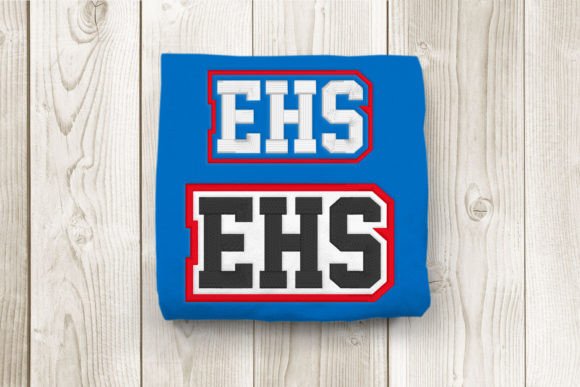
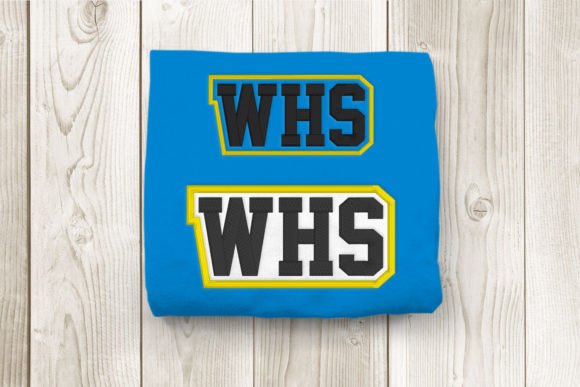
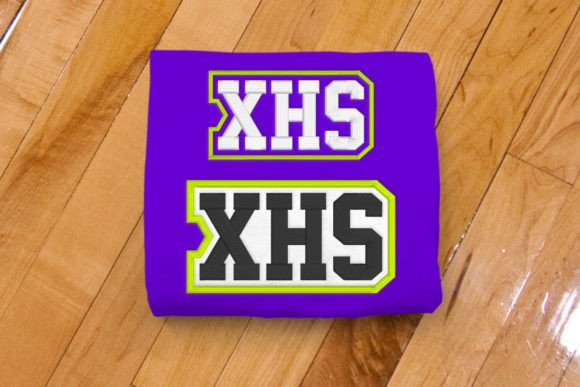
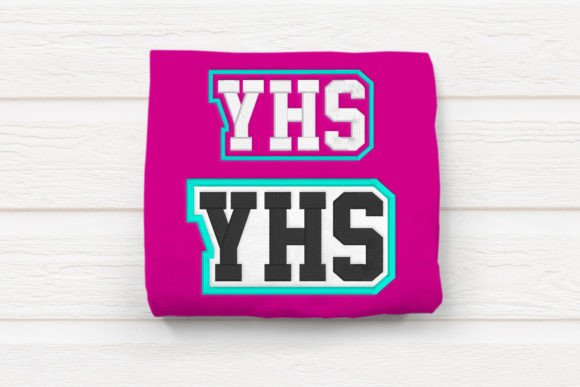
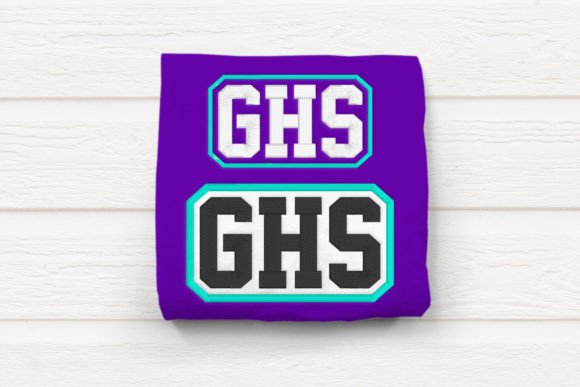
Opening the GHS High School Initials Embroidery file for the first time, I immediately picture it stitched out in thick, high-contrast thread on a heavyweight canvas tote. The design likely relies on a strong, sans-serif letterform, possibly with a slight collegiate or varsity twist. That type of lettering photographs beautifully, which is a huge plus for Etsy sellers and small shops who rely on crisp, lifestyle images to attract clicks. The letters themselves are the star—there’s no clutter, no tiny flourishes that might get lost on textured fabric. This simplicity is a strength when you’re aiming for a handmade product that looks professional and polished.
One thing I appreciate right away is the design’s versatility. Because it’s initials, it can be used beyond just school-themed items. A customer whose child has those initials might buy an embroidered pouch or pillow cover even if they aren’t directly tied to the school. That dual appeal—specific enough for a niche, general enough for everyday monogram lovers—is exactly what you want in a digital embroidery file you’re planning to stitch repeatedly for a show.
Where This Design Shines: Product Pairings That Sell
After testing the concept on scrap fabric, I start mentally mapping my booth display. The GHS High School Initials Embroidery is going to be a workhorse on a few key product types. Here’s where I see it performing best at a craft fair or in an online shop:
- Tote bags and market bags: A large, centered placement turns a plain canvas tote into a statement piece. Use a contrasting thread color that pops against the fabric—think white on navy or gold on black.
- Aprons and kitchen towels: A smaller, chest-level placement on an apron or a corner accent on a tea towel gives a subtle, handmade touch. These make excellent gifts for parents hosting graduation parties or team dinners.
- Caps and beanies: Curved cap surfaces can be tricky, but a compact, bold initial design like this often sits well on the front panel. It’s a natural fit for a teen athlete or a proud family member.
- Embroidered patches: Stitch it on felt or twill backing, add a heat-seal, and you’ve got a standalone patch that sells for a quick impulse buy at the checkout jar.
- Small pouches and zipper bags: Perfect for a subtle, decorative accent. These are low-cost, high-margin items that move fast when personalized.
- Pillow covers and fabric bins: For the home décor crowd, a large embroidered monogram on a lumbar pillow or storage bin feels both modern and sentimental.
In each case, the design’s legibility at a glance is critical. Customers walking past your booth don’t have time to squint. They need to see “GHS” and instantly connect it to their school or a loved one’s initials. That’s why bold, blocky lettering wins at craft fairs, and I suspect this design delivers exactly that.
Design Details That Can Make or Break a Sale
Now, the practical side of my brain kicks in. Not every embroidery design is a one-click wonder. The GHS High School Initials Embroidery might look flawless on a digital mockup, but real fabric tells the truth. I always test a new embroidery file on three different fabric types: a smooth cotton, a textured linen, and a plush fleece. This reveals whether tiny details hold up, whether letters pucker, and how the stitch density behaves.
If the design has small counters inside the letters (like the inside of a “G” or “H”), those need breathing room. On dark fabric, dense lettering can swallow light thread, so I’ll try a few different thread color combinations to see what reads best. For a high school design, I’d lean toward the school’s colors if I know them, or classic combinations like white on navy, gold on black, or scarlet on grey. The right thread colors can make the difference between a product that looks store-bought and one that feels amateur.
Another factor is size. A design meant for an 8-inch hoop may not scale down well to a 3-inch cap patch without losing clarity. I always check the recommended hoop size and stitch a few test runs at the smallest and largest dimensions I plan to use. If the lettering edges start to blur or the satin stitches become too narrow, I know I need to adjust my product choices or look for a more size-flexible option.
Production Smarts for the Busy Craft Fair Seller
Batch production is the name of the game when you’re prepping for a weekend show. The GHS High School Initials Embroidery needs to be stitch-time friendly. I time how long a single stitch-out takes on my machine, because every minute counts when you’re making twenty tea towels. Designs with excessive density not only slow you down but also increase thread costs and wear on your needles. A well-digitized machine embroidery design balances coverage with efficiency, and that’s something I’ll be evaluating closely.
Stabilizer choice is another non-negotiable. For tote bags and aprons, a medium-weight cutaway stabilizer gives the stitches a stable foundation, especially if the item will be washed frequently. For towels, I use a water-soluble topper to prevent the stitches from sinking into the pile. On caps, a firm backing and careful hooping prevent the design from distorting. I never skip these steps, and I make a note of what works best for each product so I can reproduce the results quickly.
Photographing the finished pieces is just as important as stitching them. A printable mockup can help with pre-sale listings, but real stitched samples sell the product. I’ll set up a few styled shots—a tote bag hanging on a rustic hook, a cap resting on a stack of vintage books, a tea towel tied with a ribbon—to show customers how the GHS High School Initials Embroidery looks in a finished, giftable state. Those images will be the backbone of my Etsy seller product pages and social media posts.
Careful-Use Notes Every Stitcher Should Read
Before you load the design onto your machine, keep these practical considerations in mind. They apply to nearly any embroidery file, but they’re especially relevant for a design with bold lettering that might be used on varied surfaces.
- Check stitch density in small areas. If the letter centers are tiny, too many stitches can create a stiff, bulletproof patch that feels uncomfortable on wearables.
- Test on dark fabric. Light thread on dark fabric can reveal gaps in the fill if the design isn’t digitized with enough underlay.
- Watch for fabric texture. On heavily textured towels or loosely woven canvas, fine details can get lost. The bold nature of GHS should help, but a test stitch is essential.
- Curved surfaces need adjustments. Caps and rounded pouch edges can warp the letter alignment. I always stitch a sample on the actual final product, not just a flat piece of fabric.
- Small lettering risks. If the design includes any tiny secondary text (like “est. 1990” or a motto), make sure it’s still legible at the size you intend to stitch.
None of these are dealbreakers, but they are the difference between a finished product that looks professional and one that you end up tossing in the “oops” bin. When your booth’s reputation is on the line, that test stitch is worth the twenty minutes.
Visual Appeal and Booth Display Power
At a craft fair, your display has about three seconds to stop a passerby. The GHS High School Initials Embroidery has the kind of high-contrast, graphic impact that makes people pause. I’d build a small collection around it—maybe a “Gameday” section with coordinating items in school colors, or a “Local Love” corner featuring other high school initials designs. Repetition creates a sense of quality and brand consistency. When customers see the same bold monogram on a tote, a cap, and a patch, they perceive the whole line as more intentional and valuable.
Because the design is centered on initials, it also opens the door to custom orders. If I’m selling out of GHS items quickly, I can offer to stitch other high school initials while the customer waits. That kind of on-the-spot personalization is a huge draw at craft fairs, and it’s where a clean, uncomplicated embroidery design really proves its worth. Just be sure you have the commercial embroidery rights to stitch the design for profit and that the terms allow for such adaptations.
Final Thoughts for the Creative Entrepreneur
After a thorough review, I’m confident the GHS High School Initials Embroidery is a solid addition to a craft fair inventory. It’s not overly trendy, it fills a genuine customer need, and it translates beautifully across a range of products. The key is to treat it as a foundational piece—a design that helps you build a cohesive, school-spirit collection rather than a one-off novelty.
I’ll be running a few more test stitches on different fabric colors and uploading the best samples to my online store. The digital embroidery file itself appears straightforward, but I’ll verify the file format, hoop size, and any licensing details before scaling up production. In the meantime, I’m already picturing the way those bold letters will look stacked on my booth table, ready to catch the eye of a proud parent or a grinning student. That’s the kind of handmade connection that keeps craft fair sellers coming back for more.